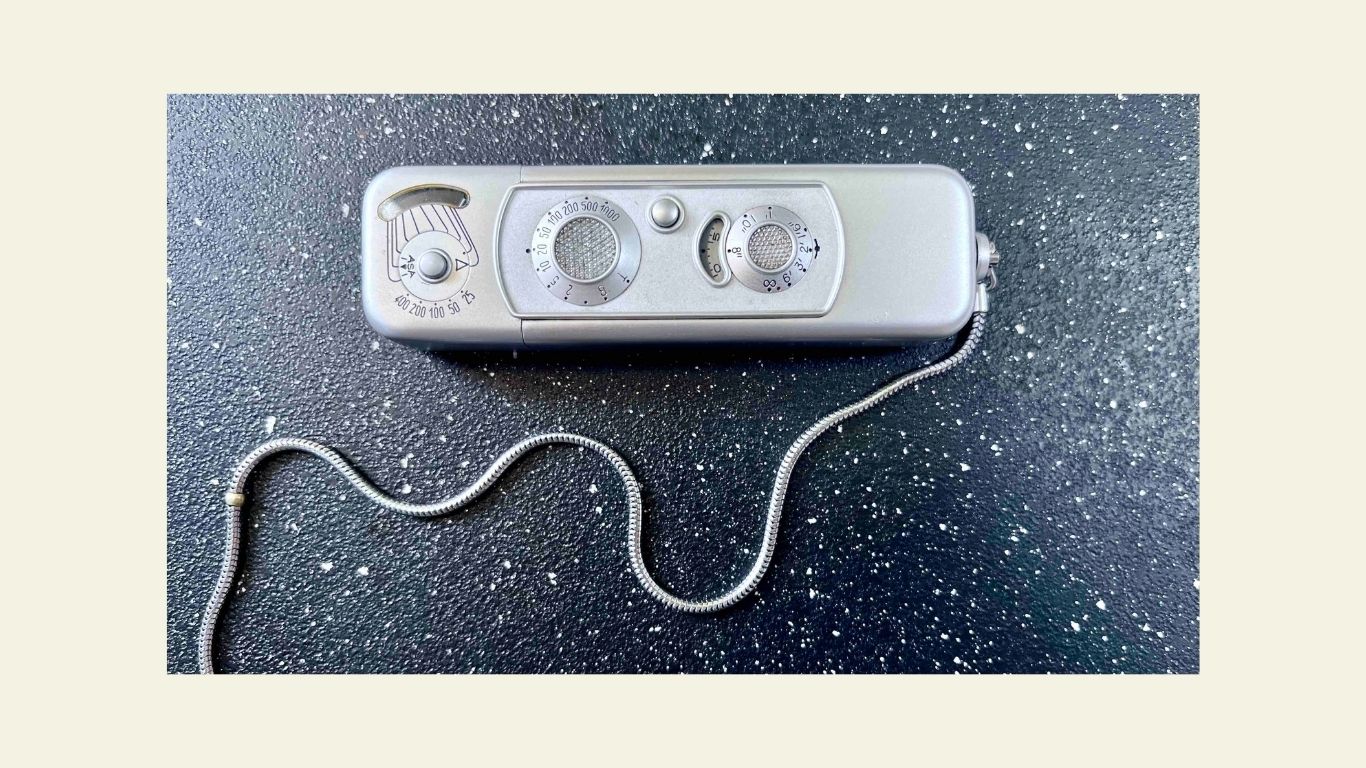
The Minox subminiature spy camera was first conceived by inventor Walter Zapp in the 1920s, but it gained full notoriety in Cold War Europe from the late 1940s. Here at IPCRES we recently acquired one of the most popular models, the Minox B spy camera, manufactured between 1958 and 1972 (our model is circa 1960). Using this camera we decided to visually infiltrate a set of ideas related to the generation and construction of events and situations.
Events and situations can occur naturally or be constructed yet are always enigmatic by nature, their qualities variously defined as indeterminate, uncertain, indiscernible, undecidable and indistinct. The camera is usually used to ‘fix’ something in place that paradoxically we have usually rendered static through habit and desire. The difficulty in this experimental project was akin to photographing an idea, something that has no visual lineaments. Surveillance was necessary, coupled with subterfuge and convoluted thought patterns. A synthesis of eye and mind.
The work is formed of three parts:
Part I: The Structural Dynamics of Flow
As a species it seems we desire certainty, the nineteenth century founded the belief that the accumulation of facts would lead to knowledge, enlightenment and progress. In our own time we hold another positivist belief, that the accumulation of data will do something similar. We know within ourselves however that data is frequently manipulated to serve the purpose of those who accumulate it, therefore often rendering it less than worthless. Still we seem to hold a blind belief in it.
The event holds no such certainty, it is both indiscernible and undecidable and we can only place a bet on its outcome. For this project we needed a subject matter that held all these values to some extent. The photograph, once the medium of positivism and certainty, is employed here to examine the undecidability of experience.
We alighted upon the simple chevron road sign, the purpose of which is to stop us crossing boundaries and careering wildly into another field. Signs provide information for clear guidance and direction in any journey; they construct a safe environment. This work brings disruption into the static-ness of foundational oppositions, a kind of disordering machine that necessitates new thought and processes. A disarrangement followed by a rearrangement.
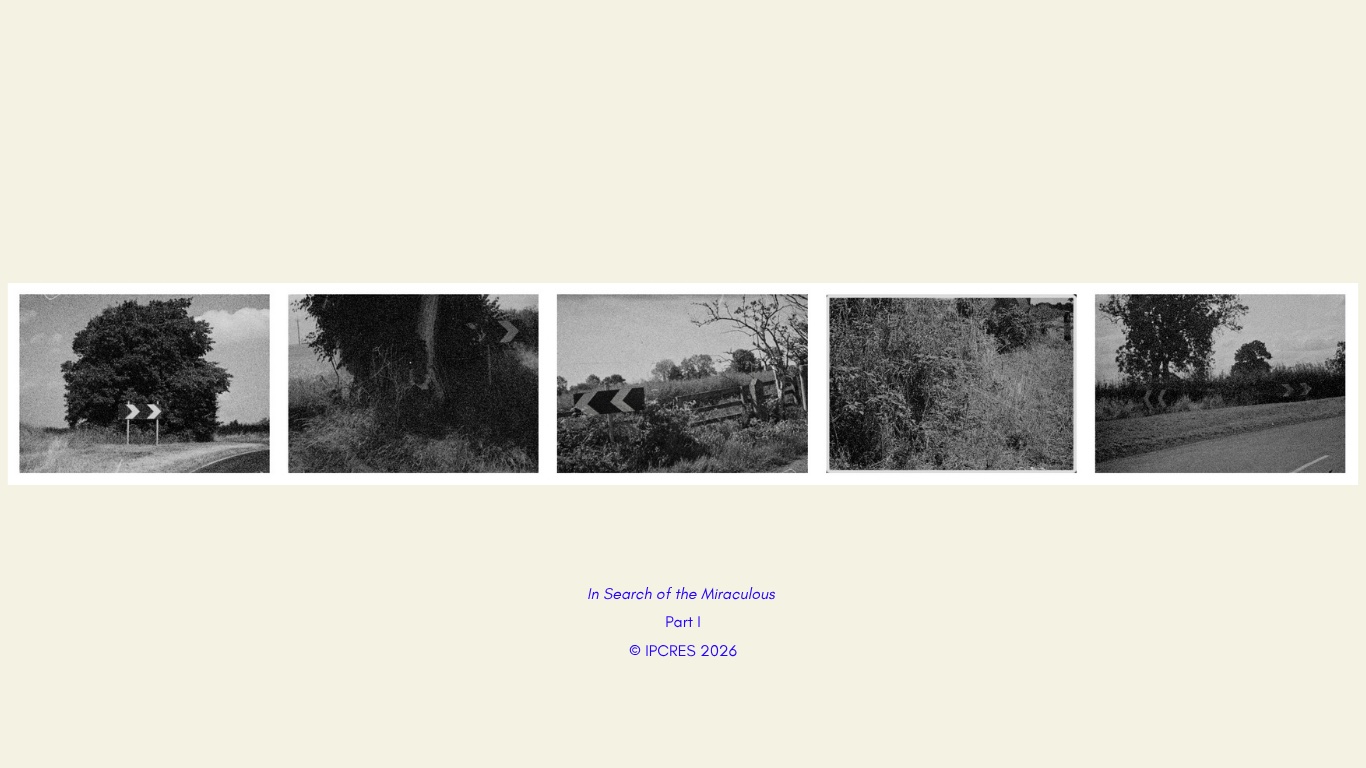
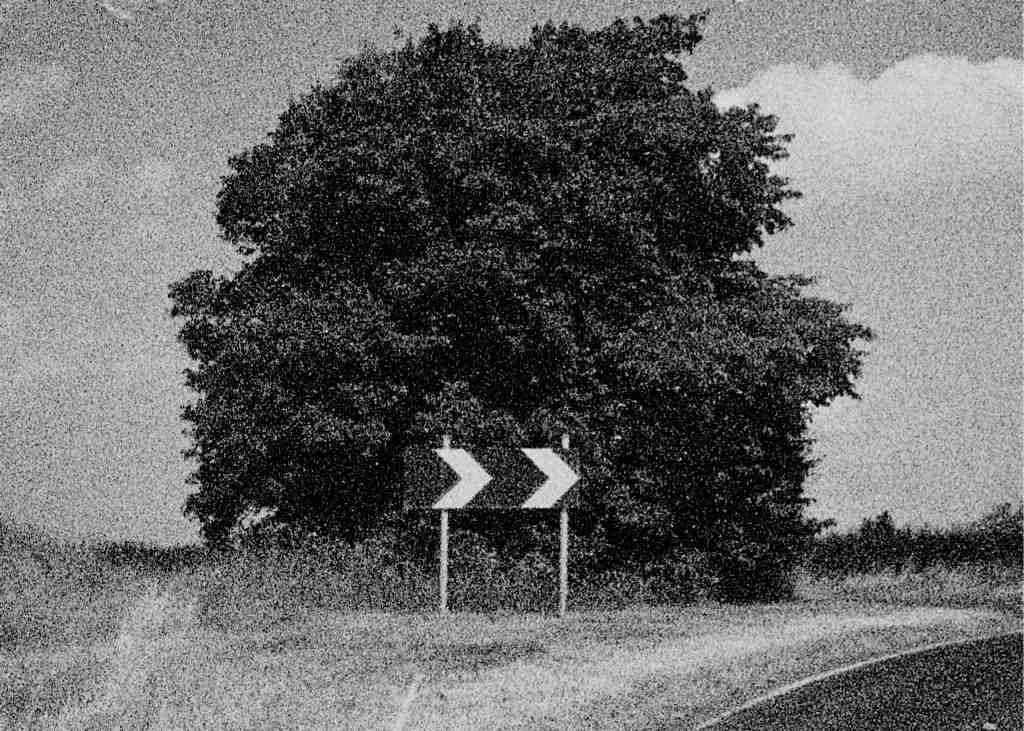
The Structural Dynamics of Flow is an allegory concerning how photography arrests, constructs and mediates experience. The photograph signposts possible certainties but it lacks the incomputable vitality and existential chaos of experience. It is true only in that it provides data that is ripe for manipulation. The work consists of 12 images taken from an A to B journey between two towns.
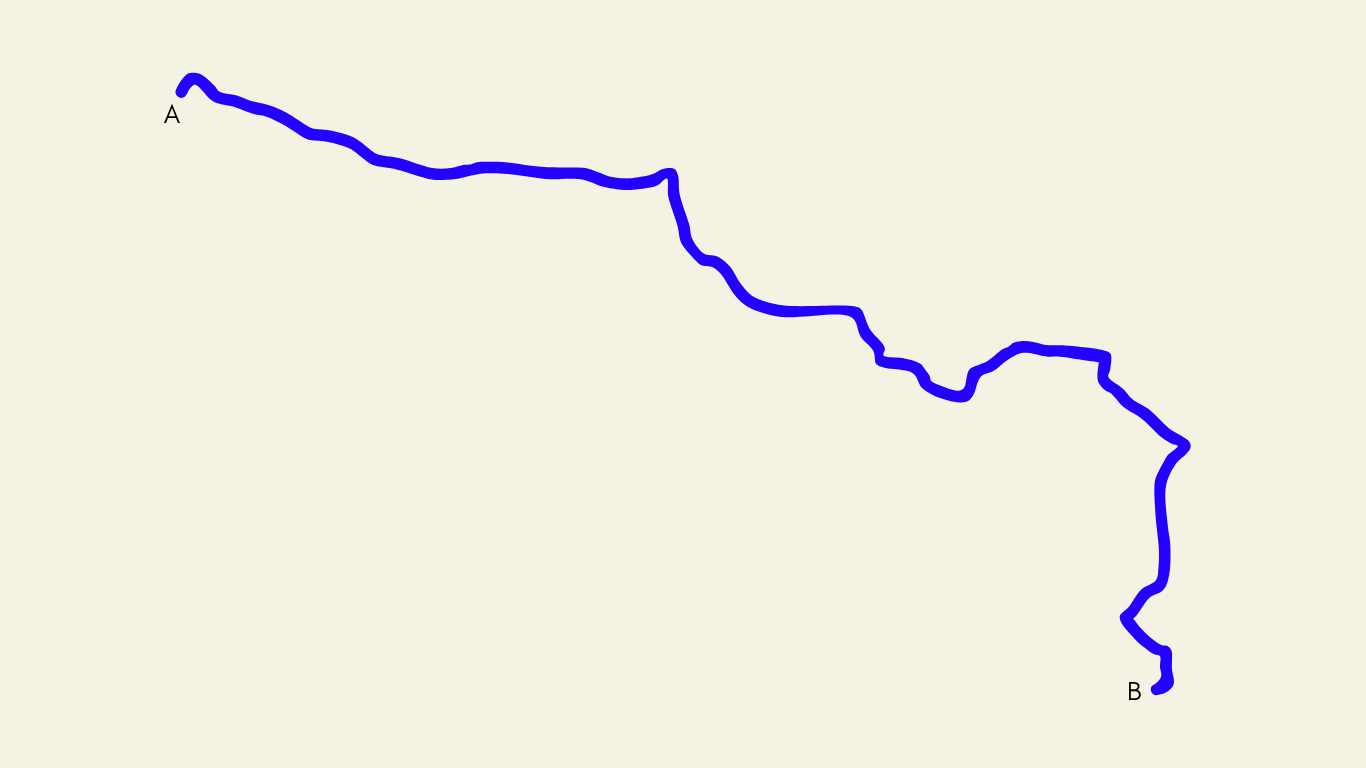
It was important that this work be an event in its own right and so all images were taken from one journey on the very first film we put through the camera.
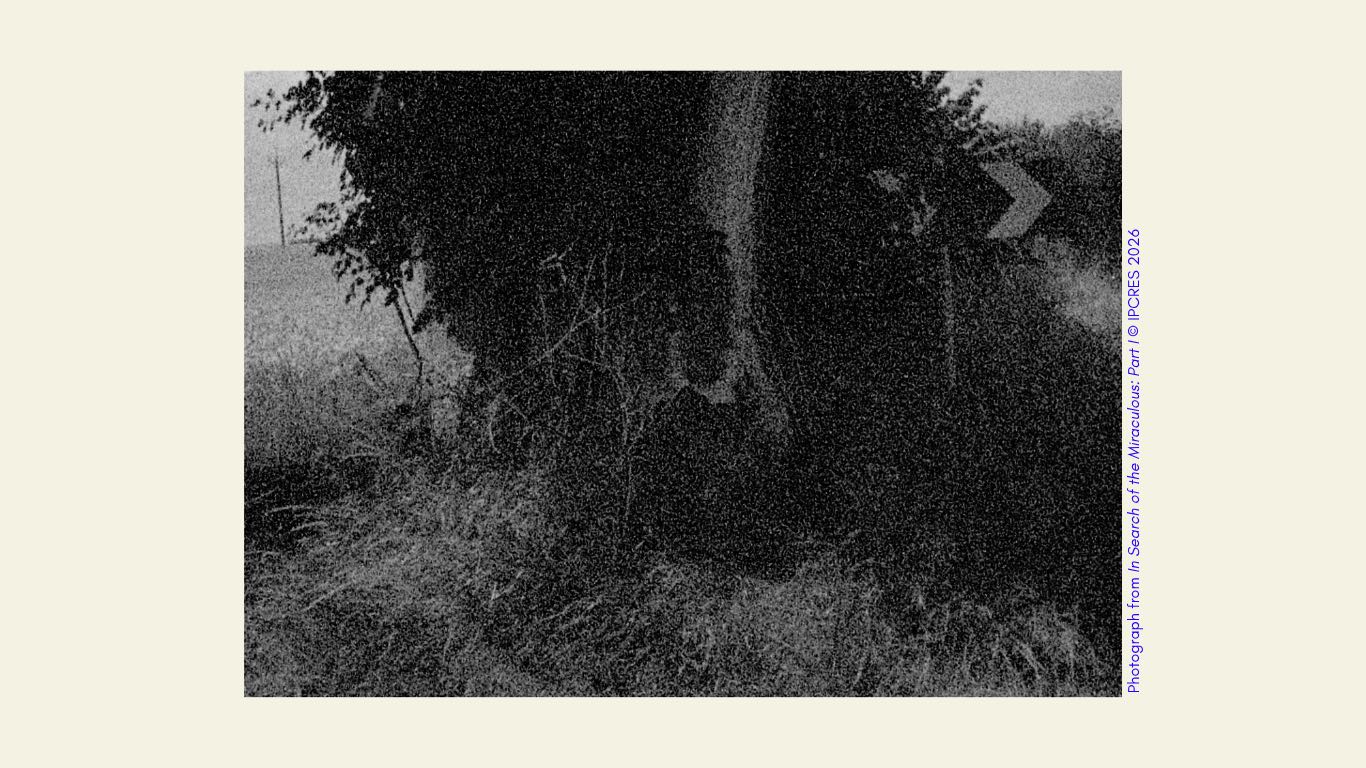
‘Wherever you’re going, you’re not going to be able to get from here to there as easily as you think’ … there is ‘tremendous difficulty inherent in simply transporting an entity from A to B, battling obstacles like gravity, calamity and buffoonery’ – Patriot TV Series: Amazon Studios.
Part II: A to B
Part II of the triptych entails a descent into the more obscure regions of photography. It consists of a large 3 panel work rendered from the same film but enlarged in the negative, an acknowledgement of crossing a frontier between the distinct world of pictures and the obscure realm of ideas. The question being, how can an idea be brought into the actual world without it being lost forever? In his celebrated essay, The Gaze of Orpheus, Maurice Blanchot states that in order for the artist to keep their inspiration they must not look at its source. This complex idea lies at the centre of the creative act and it is one that this work explores.
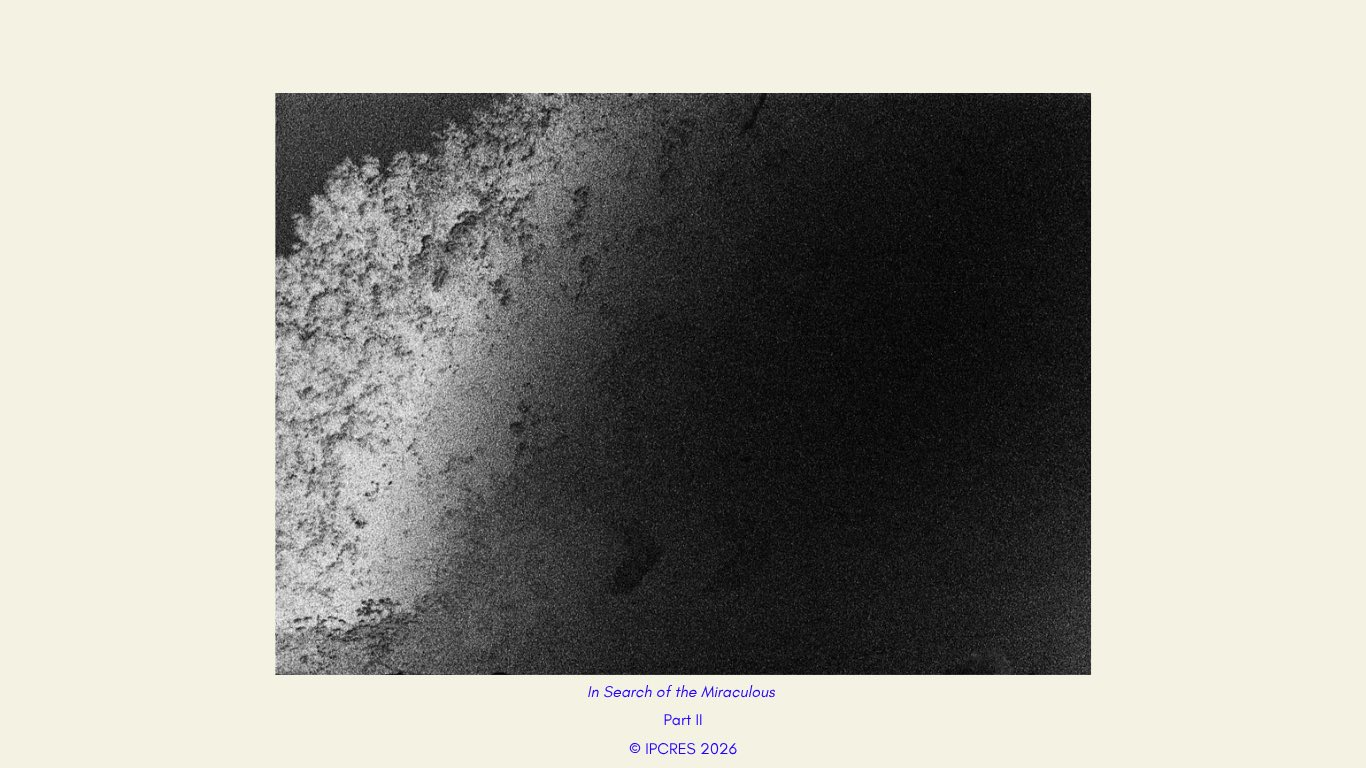
‘The extreme moment of freedom, the moment in which [artists] free [themselves] of [themselves] and – what is more important – free the work of [their] concern, …(for this reason inspiration is its greatest gift).’ – Maurice Blanchot.
Part III: Information Cloud
Part III is a companion piece, a large scale single image of clouds in the sky. The concept of the ‘information cloud’ is purposefully confused with spying on the clouds in the sky in order to obtain information. Information gathering being something the spy camera was utilised for during the Cold War period. The mystic philosopher PD Ouspensky claimed that ‘a miracle is the manifestation in this world of the laws of another‘. This image explores the gulf between two worlds and our never ending search for the miraculous.
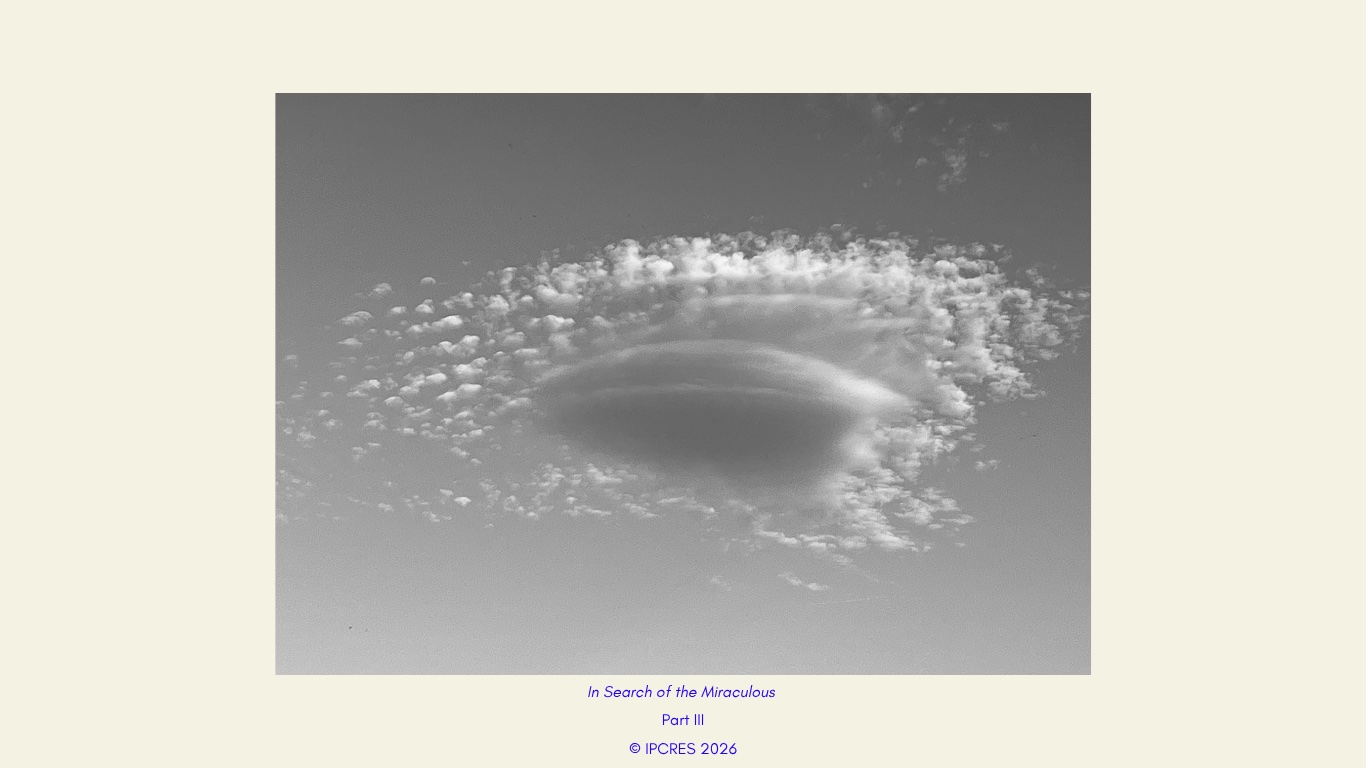
‘Questions are a burden to others; answers a prison for oneself.’ – The Prisoner TV Series: Everyman Films.
Project title after Bas Jan Ader.


Leave a Reply